


Strategic Bitcoin Reserve and Regulatory Approach
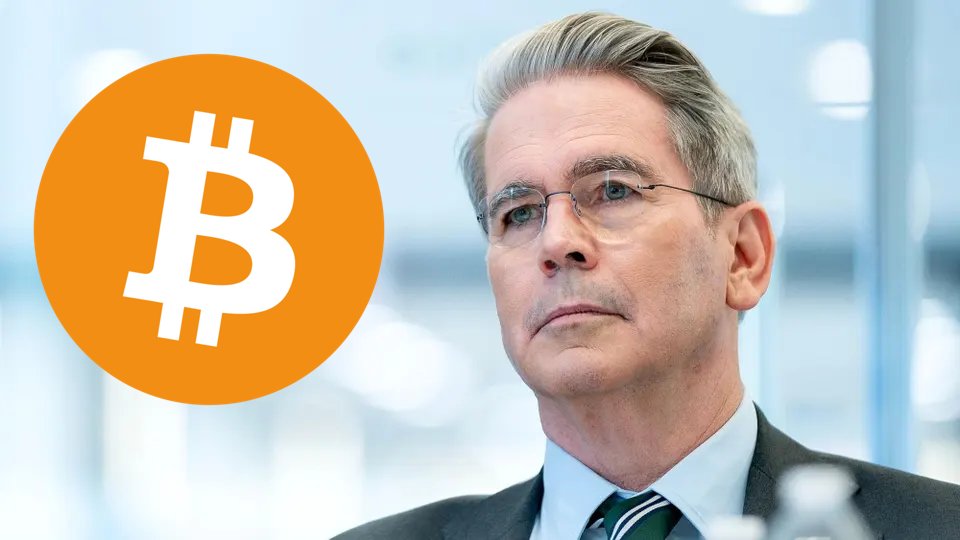
U.S. Treasury Secretary Scott Bessent, speaking at the World Economic Forum (WEF) in Davos, Switzerland, reaffirmed President Donald Trump’s objective of positioning the U.S. as a global leader in cryptocurrency and digital asset innovation. Bessent stated that the Washington administration remains committed to its plan to create a strategic Bitcoin reserve.
During a press conference in Davos, Bessent articulated that the U.S. aims to establish the "best regulatory regime" for digital assets, believing this approach will foster creativity and innovation. He recalled that a presidential decree signed by Trump mandated the U.S. government to hold Bitcoin as a strategic asset. Bessent also indicated that the expansion of this reserve through "budget-neutral" methods is currently under consideration.
Status of Seized Bitcoin and Reserve Policy
The Treasury Secretary did not provide an answer regarding whether the approximately $6 million worth of Bitcoin seized as part of the plea agreement with Samourai Wallet developers Keonne Rodriguez and William Lonergan Hill had been sold. Last week, Patrick Witt, a White House crypto advisor, stated that the Bitcoin had not been liquidated and that this action did not violate Trump’s strategic Bitcoin reserve decision.
President Trump established the foundational framework for a strategic Bitcoin reserve with a presidential executive order signed in March 2025. This order explicitly stipulated that the Bitcoins designated for the reserve would initially comprise assets seized in judicial or legal proceedings and that these Bitcoins would not be eligible for sale. Bessent emphasized that the government's primary focus was to "stop Bitcoin sales," a step that has now been taken, after which the reserve could potentially be expanded through further asset seizures.