


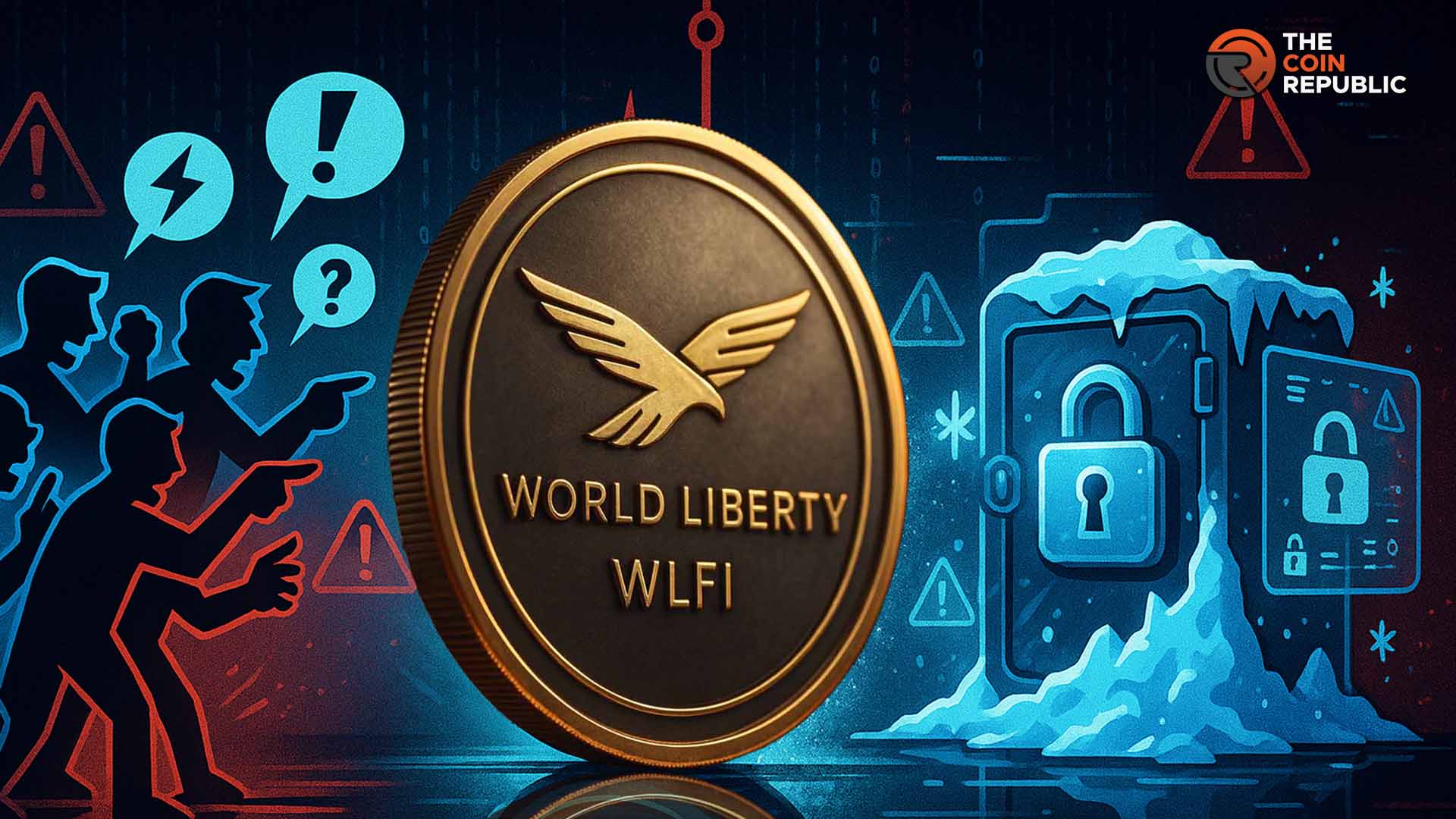
World Liberty Financial (WLFI) – a Trump-affiliated crypto token – announced on November 19, 2025, that it had burned and reallocated approximately 166.667 million WLFI, valued at $22.1 million, from wallets compromised in a pre-launch phishing attack.
The project stated that attackers gained access to a limited subset of user wallets through security vulnerabilities, emphasizing that these were not flaws within WLFI's own code.
WLFI reported freezing 272 addresses in early September following the breach. The reallocation of tokens is exclusively for users who complete renewed Know Your Customer (KYC) verification.
This announcement significantly impacted the market, with WLFI's token trading between $0.13 and $0.18, a price point approximately 40% lower than its launch price in August 2025.
The decision to freeze funds has sparked intense debate among critics and supporters regarding its prudence as a security measure versus an overreach that undermines decentralization.
Details of World Liberty Financial's Freeze and Recovery Plan
According to WLFI's team, the wallet breach occurred before the token's official launch. In an X post on November 19, the project detailed that some user seed phrases were exposed to phishing attacks prior to the launch.
As a preventative measure, all compromised wallets were frozen in September. Wallet owners were subsequently instructed to complete KYC procedures again and provide new, secure wallet addresses.
On November 19, WLFI activated an "emergency function" to burn 166.667 million WLFI from the compromised addresses and reissue the same quantity to approved recovery addresses.
An on-chain analyst corroborated that this transaction was designed to retrieve tokens and secure them. The project highlighted its adoption of a "slow, careful approach" for reallocating funds to prevent errors.
Verified users will receive their tokens in new wallets. Any wallet whose owner has not come forward or completed the verification process will remain frozen indefinitely.
In essence, WLFI reported burning and reallocating $22.1 million worth of WLFI tokens that were linked to pre-launch phishing attacks. The project froze these compromised wallets and mandates KYC verification to reroute the funds.
The team also implemented new smart-contract logic to facilitate the secure bulk transfer of recovered tokens. WLFI asserted that these actions were not motivated by profit but were solely intended to protect users.
The team stated on X, "We do not seek to blacklist anyone…WLFI only intervenes to protect users, never to silence normal activity."
Community Reaction to WLFI's Decision to Freeze Funds
The decision to freeze funds has divided WLFI's community. A segment of users applauded the project for taking accountability and prioritizing user safety.

Crypto trader DefiBagira commented on WLFI's reallocation plan, stating, "Good to see a project actually taking responsibility instead of hiding behind 'not our fault'. User safety > everything."
Another user remarked that WLFI's move to secure funds demonstrated "taking responsibility" and deserved commendation over inaction.
These supporters argue that compensating victims of the phishing attack and transferring funds to new wallets represents the correct and user-centric approach.

Conversely, others reacted with alarm. A pseudonymous blockchain developer known as 'flick' wrote on X:
"I think it’s hilarious how everyone is cheering that you can rug or lock any wallet on your own protocol. … Everyone will get phucked in the end."
This sentiment captures a significant concern: that granting the project the power to freeze wallets, even for security reasons, could be subject to abuse or erode user trust.
Some critics pointed out that WLFI had promoted itself as "community governed," and such unilateral freezing actions appear to contradict this promise.
Notably, prominent token holders also expressed concerns. Tron founder Justin Sun publicly complained when his own WLFI wallet, containing millions of tokens, was frozen after making small test transfers.
The WLFI team explained that Sun's wallet freeze was part of the broader phishing-related wallet sweep. Sun later indicated his support for WLFI's vision and even pledged further investment, though the initial incident contributed to market uncertainty.
At least one victim has reported frustration with the recovery process. Bruno Skvorc, a developer-relations officer at Polygon, stated that he had sought assistance but had not yet regained access to his funds, claiming the team failed to unlock his funds despite his outreach.
World Liberty Financial Market Impact and Outlook
Analysts suggest that WLFI's price movements were primarily influenced by broader market trends and substantial short-selling activity, in addition to the fund freeze incident.
On-chain data indicates that WLFI's significant sell-off originated from various exchanges and trading desks, rather than a single large holder liquidating their position.
Following the initial price drop, WLFI's token stabilized. By early November, it was trading around $0.18, a price still approximately 40% below its August debut, reflecting ongoing market uncertainty.
The announcement of the wallet freeze itself caused apprehension among investors. One individual paraphrased an insider's sentiment: "If they can do it to Sun, who’s next?"
WLFI clarified that it had only blacklisted high-risk addresses, specifically around 215 addresses linked to phishing, and no legitimate wallets were affected. The project reiterated that the freeze was not intended for regular traders but was a measure to safeguard users identified through support channels or on-chain signals.
The project has now rerouted the funds of legitimate users and is focusing on the development of its planned stablecoin and other features.
However, observers emphasize that the critical factor remains whether investors will trust WLFI's on-chain custodianship. As one analyst pointed out, restoring market confidence will hinge on clear communication and the flawless execution of the recovery plan.