



UXLINK faced a sophisticated deepfake attack on September 22, resulting in an $11 million loss. This incident exposed vulnerabilities in the personal devices of key signers rather than UXLINK's on-chain system.
The event underscores the inherent risks in cryptocurrency security and has affected UXLINK's market position. In response, the project has initiated immediate legal and strategic measures to safeguard its assets.
Security Overhauls and Industry Reactions
The breach prompted swift reactions from the cryptocurrency industry, emphasizing the critical need for enhanced key management practices. Security firms, including PeckShield, have reinforced the importance of safeguarding private keys against impersonation. This incident highlights how deepfakes and the compromise of personal devices represent evolving threats within the digital asset security landscape.
In response to the attack, UXLINK implemented heightened security measures, including system upgrades and the adoption of cold and dedicated devices for sensitive operations. The incident also influenced a shift towards custodial institutions. The UXLINK DAO announced the unlocking of an additional 12% token supply to compensate those affected by the hack. The project's strategic response also involved coordination with exchanges for fund recovery, alongside community support and buyback initiatives.
"A large portion of the stolen assets has already been frozen, and collaboration with exchanges remains strong." - RollandSaf, CEO, UXLINK
Market Data and Expert Insights
This deepfake attack, which cost UXLINK over $11 million, echoes similar multisig compromise incidents that have historically affected various cryptocurrency platforms.
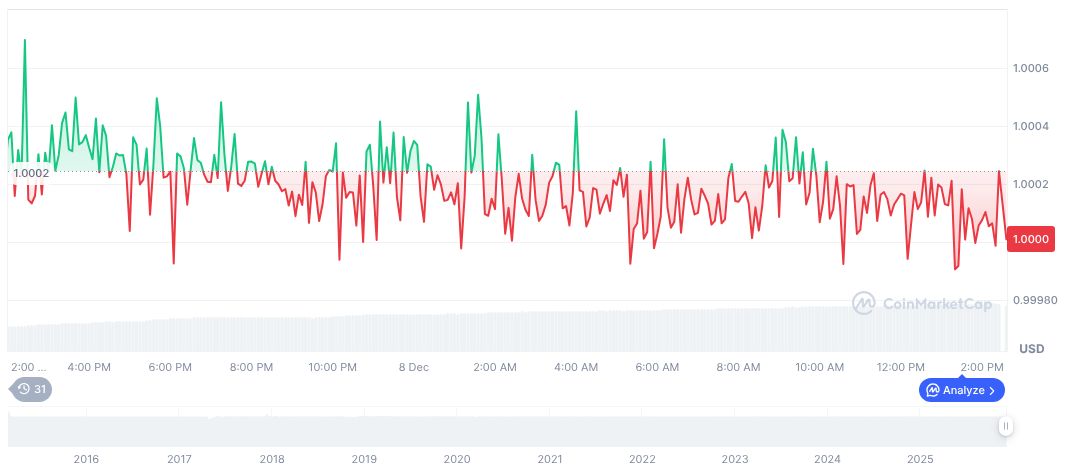
In related market data, Tether (USDT) is trading at $1.00 with a market capitalization of $185.74 billion. Its market dominance is 6.03%, and its 24-hour trading volume is $85.75 billion, showing an 8.55% change. Price movements for USDT exhibit minor fluctuations over different periods.
The Coincu research team highlights the increasing risk of impersonation attacks, underscoring the necessity of stringent security protocols and the use of hardware devices. It is anticipated that regulatory frameworks may evolve to address vulnerabilities associated with inadequate key management. Furthermore, such incidents are likely to spur innovation in blockchain security solutions.