Key Developments in Ethereum Scaling
Vitalik Buterin, a co-founder of Ethereum, has recently expressed increased support for native rollups, highlighting evolving conditions that favor their adoption. This sentiment was shared at a recent event focused on Ethereum's scalability solutions.
This shift in perspective signals potential enhancements for Ethereum's scalability. It is expected to impact ETH's market dynamics and advance Layer 2 composability strategies, drawing significant interest from both developers and investors.
Vitalik Buterin Endorses ZK Rollups for Ethereum's Future
Community reactions to this development have been characterized by cautious optimism. Tom Lee, Chairman of BitMine Immersion Technologies, observed that Vitalik's approach demonstrates a diplomatic strategy for prioritizing scaling solutions. Lee stated, "Vitalik is very diplomatic, because he doesn’t want to bless winners and losers." As Ethereum enthusiasts weigh in, the discussion is largely centered on the long-term potential of these advancements.
Ethereum's Market Performance Amid Rollup Integration Discussions
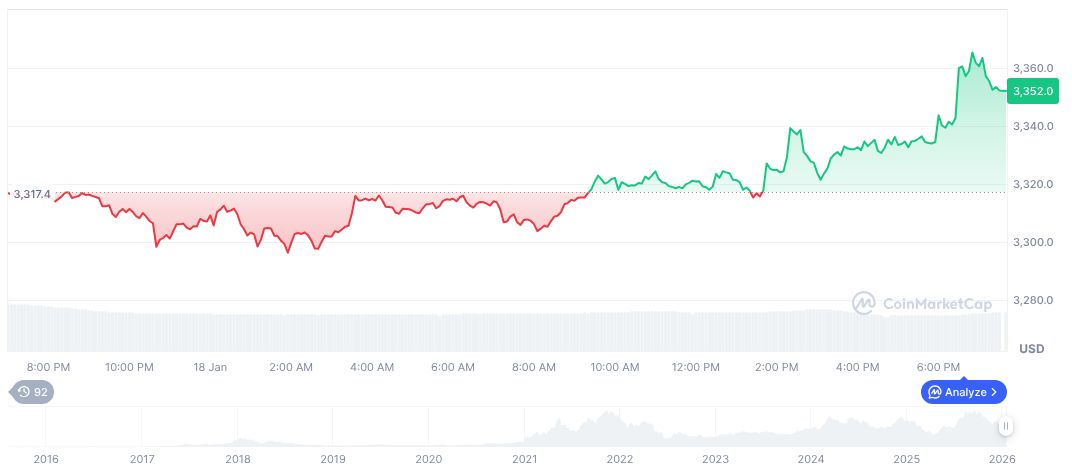
Ethereum (ETH) is currently trading at $3,200.08 with a market capitalization of $386.23 billion. It holds a dominant 12.34% share of the market, with a 24-hour trading volume of $25.18 billion, indicating a significant 119.90% change. Recent price movements show a varied trajectory, including a 24-hour decline of 3.21%, but a moderate increase of 7.40% over the past 30 days.
A notable aspect of this evolving discussion is the context behind Vitalik Buterin's initial reservations regarding native rollups. These were largely attributed to the immaturity of ZK-EVM technology at the time. His current support signifies a pivotal turning point as Ethereum's technology matures and becomes better equipped to accommodate these scaling solutions.
Analysts predict that the meaningful integration of native rollups will significantly bolster Ethereum's technical credibility and overall appeal. This is expected to have a substantial impact on financial landscapes and regulatory dialogues. The shift is anticipated to accelerate Ethereum's innovation drive, facilitating the integration of privacy tools and furthering decentralization efforts with greater efficiency.
Visualizing Ethereum's Performance