


On-Chain Futures Market Concept for Gas Fee Volatility
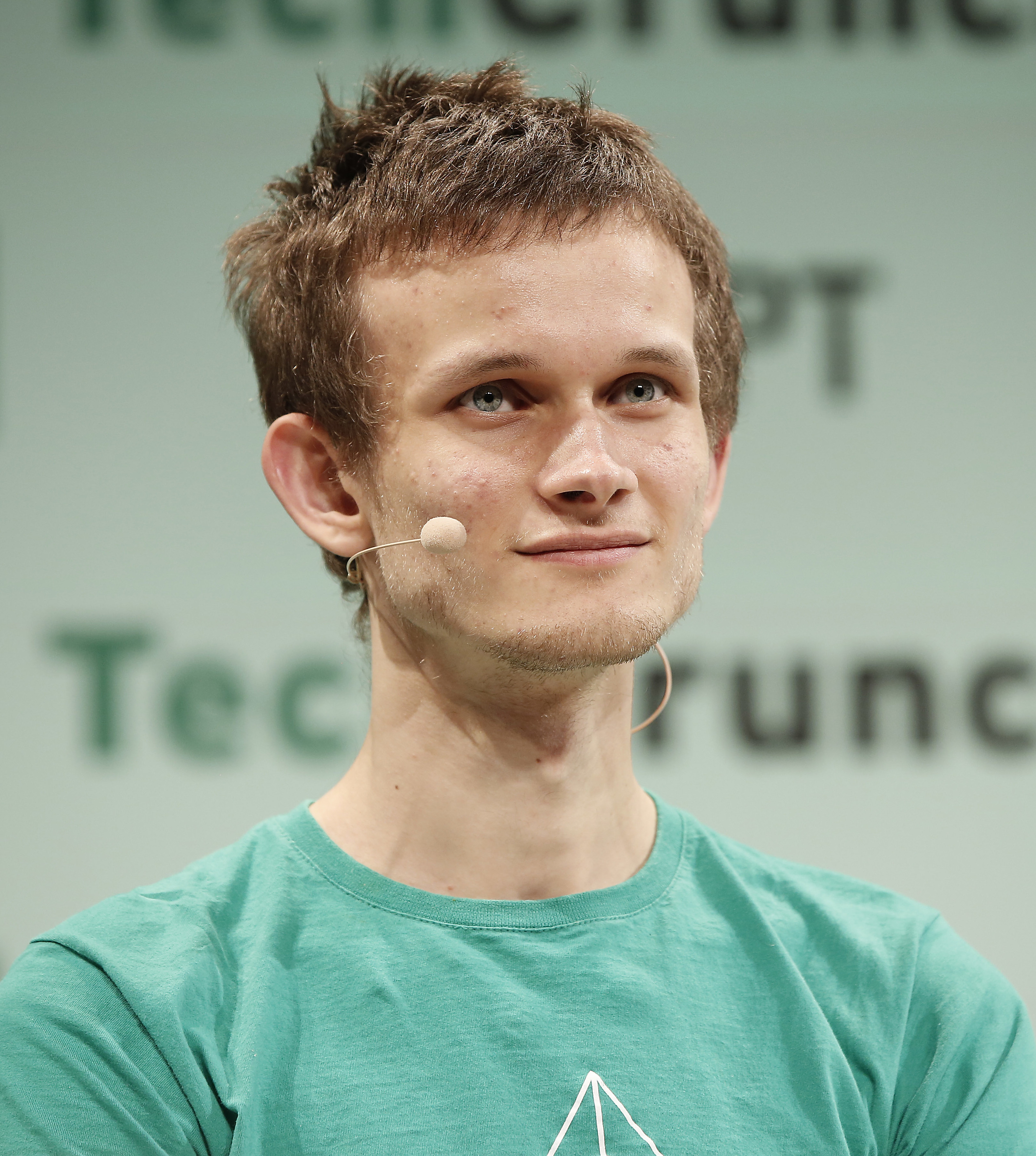
Ethereum co-founder Vitalik Buterin has suggested the development of a prediction market for network transaction costs. This innovative approach aims to provide users with tools to effectively manage the inherent volatility of gas fees. Buterin outlined a trustless on-chain system on Saturday that would enable users to lock in gas prices for future time periods.
A frequent question among users concerns whether Ethereum's currently low transaction costs will remain stable as network usage continues to grow. Buterin argued that a futures market, which would facilitate advance price discovery, could effectively address this uncertainty while simultaneously creating valuable hedging opportunities for those who are heavy users of the network.
This proposed mechanism draws parallels to established commodity futures markets. In these markets, participants enter into contracts to buy or sell assets at predetermined prices for specified future delivery dates. When applied to Ethereum, this concept would allow users to prepay for transaction capacity at known rates, thereby shielding them from unexpected cost spikes that can occur during periods of intense network congestion.
The establishment of such futures markets would provide crucial signals for a variety of stakeholders, including developers, traders, and institutions. These entities often need to plan activities that involve predictable operational expenses. Applications that process a high volume of transactions, in particular, could benefit significantly from more accurate budgeting capabilities, gaining visibility into future gas costs.
Industry Skepticism and Counterarguments
Despite the potential benefits, the proposal has encountered a degree of skepticism from various industry participants. Hasu, who serves as an advisor to multiple decentralized finance (DeFi) protocols, raised concerns about the lack of natural participants willing to take opposing positions in such a market. He pointed out that while many users are keen to protect themselves against rising gas costs, very few entities stand to gain from betting on higher fees. This imbalance, Hasu argued, could lead to insufficient liquidity, hindering the formation of a meaningful market.
Buterin responded to these concerns by questioning whether the Ethereum protocol itself could provide the necessary counterparty liquidity. He proposed an auction mechanism for claiming base fee rights for specific quantities of gas per block. However, Hasu countered that such a structure might extract most of the value back to the protocol. He further suggested that buyers would only participate if they anticipated price increases, which would undermine the shorting side of the market, a component essential for achieving balanced market dynamics.
Martin Koppelmann, co-founder of Gnosis, introduced technical objections related to Ethereum's fee burn mechanism. He explained that the current design destroys base fees rather than distributing them to validators. This elimination of natural sellers, who would otherwise hedge their exposure, means that market makers would have to assume significant risk. Consequently, they would likely charge prohibitive premiums, further complicating market viability.
Current Ethereum Transaction Costs and Recent Network Upgrades
Currently, basic Ethereum transactions are priced at approximately $0.01. More complex operations, such as token swaps, non-fungible token (NFT) purchases, and cross-chain bridge transactions, range from $0.05 to $0.27. These fees have experienced a substantial decline throughout 2025, though they have also shown notable volatility. At the beginning of the year, fees were near $1, before falling to around $0.30, with interim spikes exceeding $2.60.
The Ethereum network recently completed its Fusaka upgrade, which implements a twice-yearly update schedule. In addition to this, developers have raised the block gas limit to 60 million. This increase in the block gas limit has significantly boosted network throughput to record levels, contributing to the sustained lower transaction costs observed recently.
Broader Ethereum Development and Vision
In related developments, Buterin recently introduced Kohaku, a privacy framework designed for confidential transactions on the Ethereum network. He has also discussed how ongoing scaling improvements have made DeFi a more viable option for savings mechanisms. This evolution is enabling a broader range of financial applications beyond purely speculative trading, signaling a growing maturity and utility for the Ethereum ecosystem.