


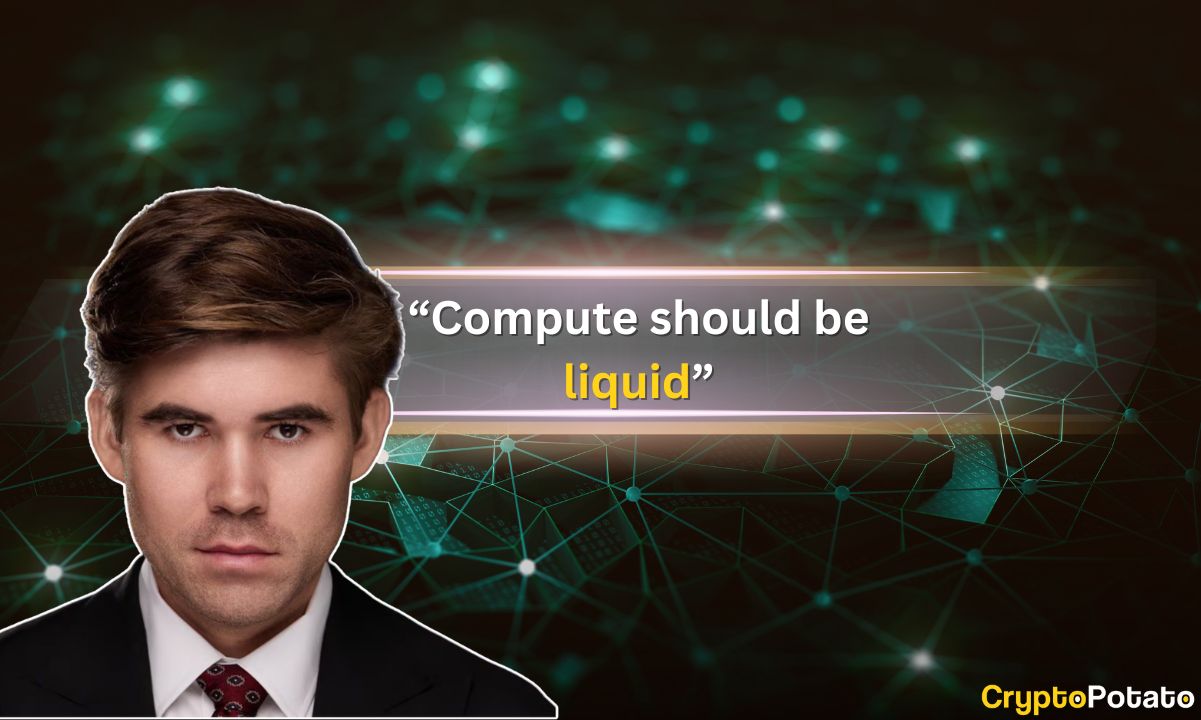
The rapid advancement of artificial intelligence has transformed computing into a highly contested global resource. Cloud infrastructure is experiencing unprecedented demand, leading to scarcity of hardware and challenges for traditional systems.
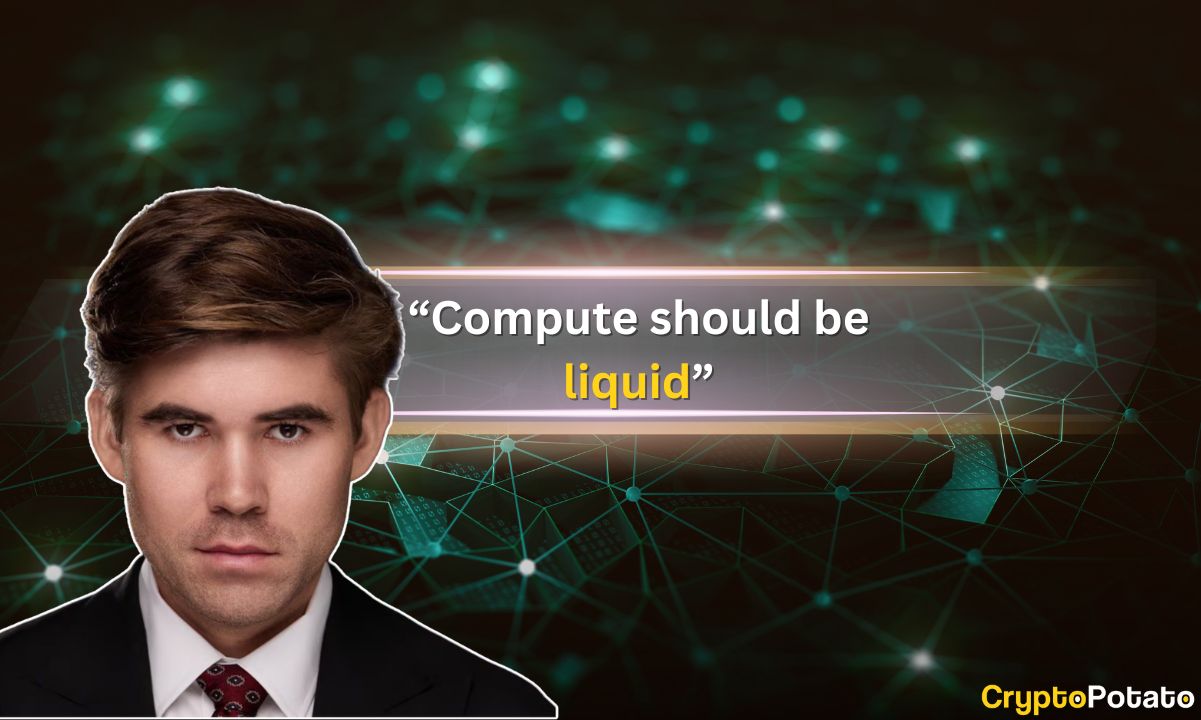
In a recent conversation, Andrew Sobko, the CEO of Argentum AI, highlighted that these structural challenges point towards a significant shift: compute is becoming liquid, globally distributed, and accessible far beyond current limitations.
In the following interview, Sobko discusses the unforeseen obstacles in establishing a two-sided compute marketplace, the inherent tension between achieving enterprise-grade performance and maintaining decentralization, and his belief that verifiability, trust, and geography-agnostic computing will define the next decade of artificial intelligence development.
The Genesis of Argentum AI: Building a Human-Friendly Compute Marketplace
What inspired you to build a human-friendly, AI-powered compute marketplace like Argentum AI?
Years ago, I observed similar dynamics in logistics marketplaces. Supply and demand were fragmented, hardware was underutilized, and existing systems were inefficient. Computing felt the same way, with a vast amount of idle hardware, inflexible cloud options, and limited access for smaller entities. As AI workloads surged, it became clear that centralized infrastructure would not be able to scale effectively to meet this growing demand. We recognized the need for a system that functioned more like a stock exchange, where supply and demand are liquid, user-friendly, and open to participation. Argentum AI was developed to address this need, creating a decentralized marketplace where trust, transparency, and participation are fundamental components by design.
Navigating the Complexities of a Two-Sided Compute Marketplace
What unexpected technical or logistical bottlenecks have you encountered in scaling a two-sided compute marketplace?
Matching compute resources to demand involves more than just ensuring sufficient capacity; it requires addressing trust, geographical location, hardware variations, and uptime guarantees. An initial significant challenge was the heterogeneity of hardware. GPUs, for instance, vary considerably in their performance, driver compatibility, and thermal management. To overcome this, we developed an AI-driven "living benchmark" system capable of dynamically measuring real-world performance and matching jobs accordingly. On the logistical front, onboarding high-quality providers globally, particularly in regions with inconsistent internet connectivity or complex legal frameworks, necessitated the development of zero-knowledge tools and lightweight node clients. Flexibility and resilience had to be integrated into the core architecture from the outset.
The Delicate Balance: Decentralization, Performance, Security, and Compliance
How do you balance decentralization with performance, security, and compliance?
This represents the central challenge in our development. While pure decentralization can sometimes compromise performance, an overly centralized system undermines transparency and resilience. We aim for a balanced approach. Our providers operate in a decentralized manner, but the execution of tasks is cryptographically verified through real-time telemetry. To ensure performance, we utilize adaptive routing and benchmark-based matching. For security and compliance, our zero-knowledge trust layer safeguards data privacy across international borders, while smart contracts and staking mechanisms enforce service level agreements (SLAs). Achieving this balance is complex, but it is essential for creating compute infrastructure that is both open and capable of meeting enterprise-grade standards.
The Structural Shift in Compute Supply Chains Driven by AI
What structural change will AI bring to the global compute supply chain – and how is Argentum AI positioned for it?
Artificial intelligence is poised to decouple compute resources from geographical constraints. Currently, compute power is concentrated in hyperscale data centers, often located near inexpensive energy sources or favorable tax policies. However, this model is not sustainable for future growth. AI will necessitate resilient, distributed infrastructure that can adapt to energy availability, environmental considerations, and national sovereignty requirements. Argentum AI is specifically designed for this evolving landscape. Our platform enables compute jobs to be directed to locations with the cleanest energy, lowest latency, or most suitable regulatory environments. This effectively creates compute liquidity that responds to both economic and ethical factors, a capability that centralized cloud providers cannot easily replicate.
Community Governance vs. Business Growth: A Strategic Equilibrium
How do you weigh community governance vs. business growth when they pull in different directions?
This is one of the most demanding aspects of our operation. On one hand, token-based governance is fundamental to fostering trust and ensuring long-term alignment among stakeholders. On the other hand, competitive markets demand speed and adaptability. Our strategy involves a layered approach: critical protocol changes are subject to community governance, while product iteration and strategic partnerships can proceed with greater agility. We also focus on aligning incentives so that initiatives benefiting the community also contribute to business growth. This includes rewarding providers with enhanced SLAs or allowing token holders to influence incentive programs. Essentially, we view the community not as a constraint, but as a guiding force.
Lessons Learned: Advice for the Founding Self
If you could give your founding self one piece of advice, what would it be?
My primary advice would be to prioritize building for compliance and cross-border privacy from the very beginning. While it might be tempting to focus solely on achieving early traction, genuine enterprise adoption, particularly in the AI sector, is fundamentally dependent on trust, verifiability, and legal clarity. The development of our zero-knowledge architecture and on-chain auditability were hard-won lessons. I would also emphasize that decentralization is not about eliminating human involvement, but rather about designing systems where humans and AI can collaborate effectively at scale. This perspective has significantly shaped every aspect of our development, from user onboarding to performance benchmarking.