


Government Confirms No Liquidation of Forfeited Funds
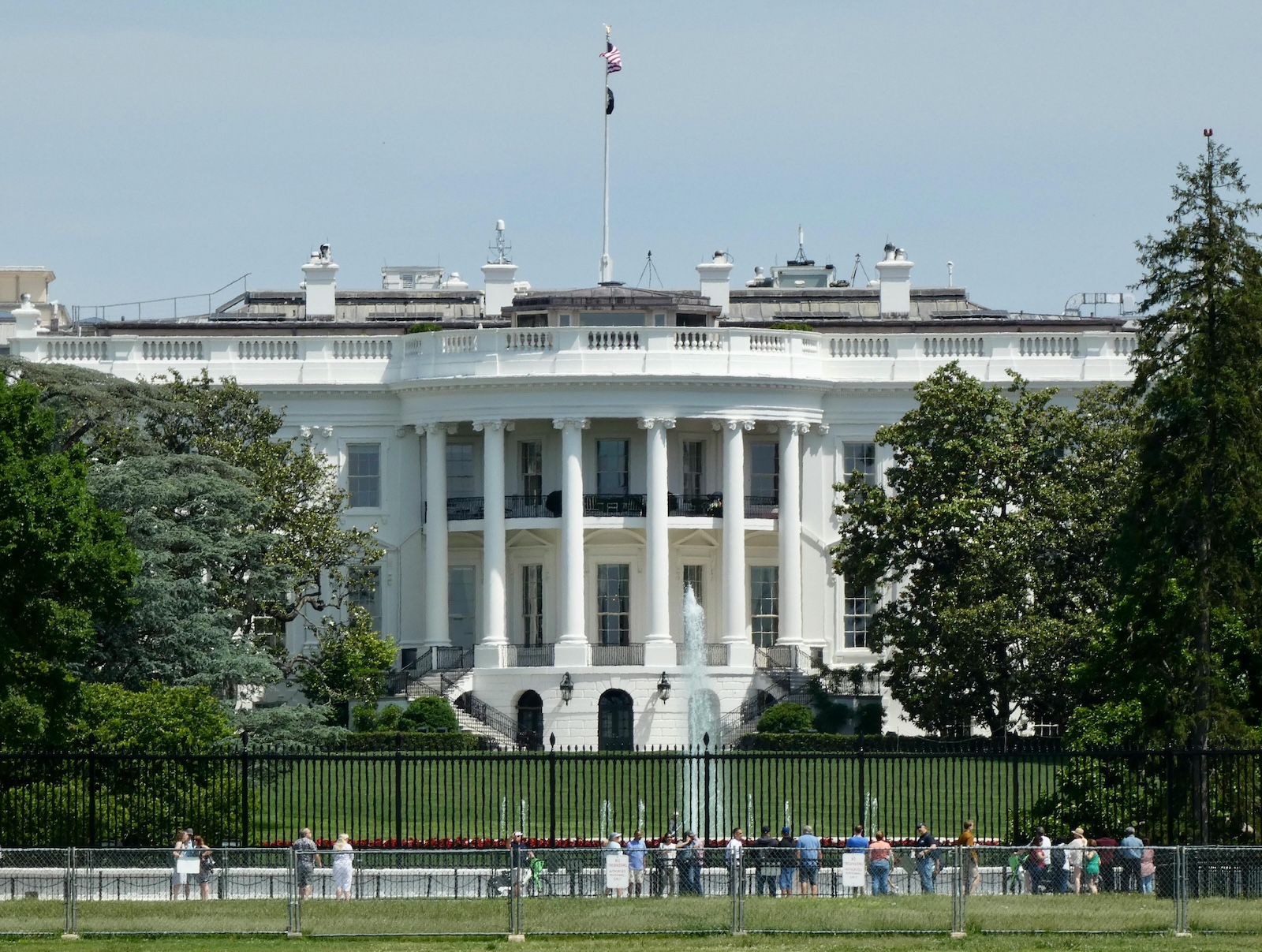
The White House confirmed on Friday that approximately $6.4 million in Bitcoin seized from Samourai Wallet developers will not be liquidated and will instead join the national Bitcoin reserve. Patrick Witt, executive director of the President's Council of Advisors for Digital Assets, announced that he received confirmation from the Department of Justice that the forfeited digital assets remain intact.
This clarification addresses concerns raised by attorneys and family members of incarcerated developers Keonne Rodriguez and William Lonergan Hill. Their legal representatives had expressed worries that Manhattan prosecutors intended to liquidate the seized funds, which would have contradicted President Donald Trump's March executive order establishing a federal Bitcoin reserve using seized holdings.
Details of the Forfeiture Agreement
A signed asset liquidation agreement between federal prosecutors and the Samourai developers contained language that suggested a planned liquidation of the funds. The document, dated November, stated that Rodriguez and Hill authorized the U.S. Marshals Service to receive and immediately liquidate the Bitcoin account, with the proceeds to be deposited into the Assets Forfeiture Fund.
Witt clarified on X that digital assets forfeited by Samourai Wallet will not be liquidated, in accordance with Executive Order 14233. He confirmed that the funds will remain on the U.S. government's balance sheet as part of the strategic Bitcoin reserve.
Developer Sentences and Case Implications
Rodriguez and Hill pleaded guilty to operating an unlicensed money transmitter for their involvement with Samourai, a tool designed to enable private Bitcoin transactions. The case, which began under the Biden administration, continued under the Trump administration's Department of Justice, resulting in maximum five-year and four-year prison sentences for Rodriguez and Hill, respectively.
Both developers began serving their sentences earlier this month. The case has drawn significant attention from cryptocurrency and privacy advocates, who are concerned about the potential implications for privacy-focused software development within the United States.
Potential Pardon and Past Concerns
In December, Trump told media outlets that he would examine a potential pardon for Rodriguez after being directly questioned on the matter. He directed Attorney General Pam Bondi to investigate further.
The issue of fund liquidation resurfaced in November when blockchain analysts observed a transfer of 57.5 Bitcoin from a U.S. government-controlled address to a Coinbase Prime deposit address. At the time, the Marshals Service faced accusations of violating Executive Order 14233, which mandates that Bitcoin obtained through criminal or civil forfeiture cannot be sold and must be retained in the strategic reserve.
U.S. Government's Bitcoin Holdings
According to data from Bitcoin Treasuries, the U.S. government's total Bitcoin holdings now amount to 328,372 Bitcoin, valued at over $31.3 billion at current prices. This total includes 127,271 Bitcoin that was forfeited in October from a Cambodia-based entity allegedly involved in operating a cryptocurrency investment scheme.
Continued Skepticism and Future Plans
Lauren Emily Rodriguez, wife of developer Keonne Rodriguez, has expressed skepticism regarding the prosecutors' handling of seized funds, even after the White House announcement. She cited a perceived pattern of dishonesty by Assistant U.S. Attorneys throughout the Samourai case as the basis for her continued doubt.
Witt stated in a recent interview that building the strategic Bitcoin reserve remains a priority for the administration. The implementation of this initiative awaits an agreement between the Treasury and Commerce agencies on how to handle certain legal requirements. Additionally, Senator Cynthia Lummis has proposed a bill aimed at accelerating the accumulation of 1 million Bitcoin over five years through methods that are budget-neutral.