


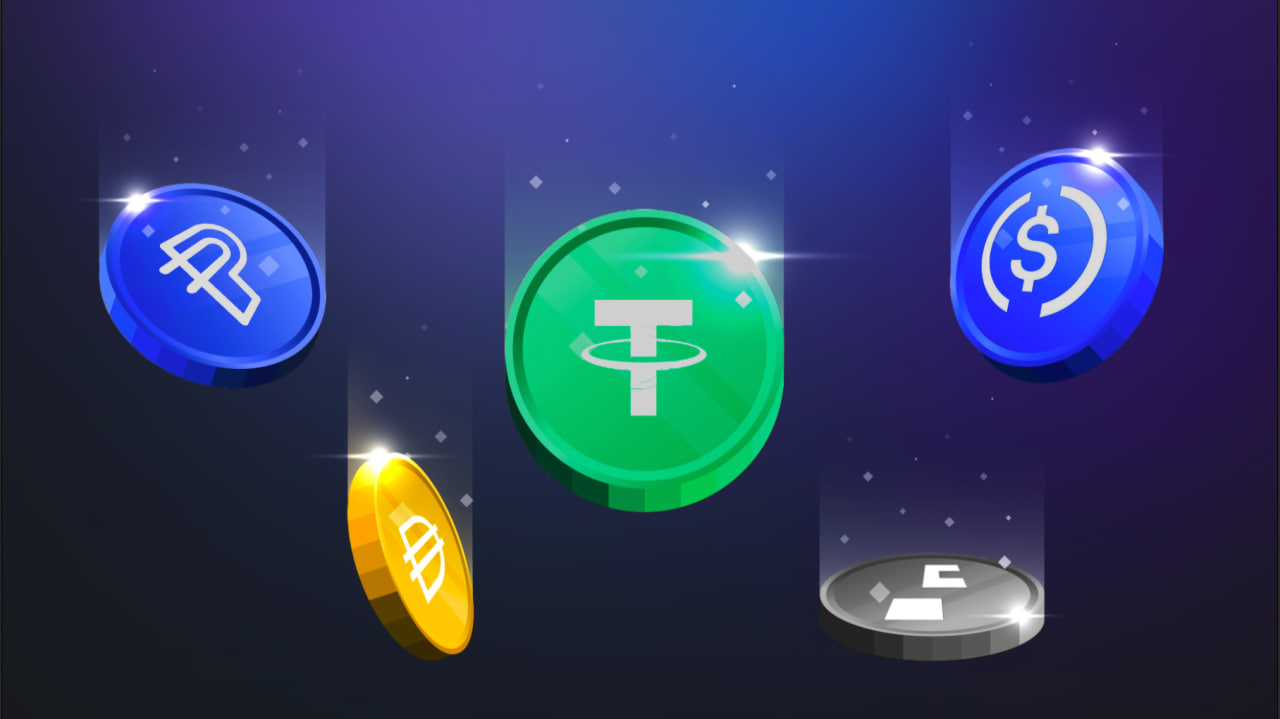
As global markets move toward faster and more efficient financial systems, demand for blockchain-based payment infrastructure continues rising into 2026. Unlike purely speculative sectors, payment-focused crypto projects are gaining traction thanks to their clear real-world utility: reducing transfer costs, increasing settlement speed, and improving cross-border accessibility. With global remittance volumes expanding and fintech adoption accelerating, the PaymentFi narrative is becoming one of the strongest industry trends heading into 2026.
Remittances Are Growing Faster Than Traditional Systems Can Support
Global remittance flows continue to climb, yet most legacy systems remain slow, expensive, and dependent on regional intermediaries. Blockchain payment networks are increasingly being explored due to:
- •lower transfer fees
- •improved settlement times
- •transparent routing
- •accessibility for underbanked regions
This growing inefficiency gap has created strong demand for infrastructure-level crypto projects optimized for international money movement.
Stablecoin Adoption Continues Expanding Across Real-World Use Cases
Stablecoins are increasingly used for:
- •cross-border settlements
- •B2B payments
- •payroll distribution
- •fintech integrations
As stablecoin usage expands globally, the need for specialized payment infrastructure—routing layers, settlement mechanisms, corridor systems—becomes more critical. This directly strengthens the positioning of PaymentFi tokens designed to support these functions.
Fintech Platforms Are Accelerating Blockchain Integration
Fintech companies continue to explore blockchain infrastructure to streamline operations. PaymentFi projects providing:
- •crypto-to-fiat bridges
- •merchant settlement tools
- •cross-border routing layers
- •programmable settlement APIs
are increasingly aligned with broader fintech modernization initiatives. This shifts infrastructure tokens away from speculation and toward functional roles within tomorrow’s payment architecture.
Cross-Border Efficiency Has Become a Shared Global Priority
Governments, remittance processors, mobile banking providers, and digital wallets are all seeking more efficient ways to move money internationally.
Blockchain supports this evolution through:
- •settlement finality
- •low intermediary dependence
- •programmable payment logic
- •multi-region interoperability
As regulatory clarity improves worldwide, PaymentFi projects gain additional credibility and adoption momentum.
Emerging Projects Are Targeting Practical Payment Challenges
A growing number of early-stage initiatives are entering the PaymentFi sector with solutions addressing operational inefficiencies rather than speculative demand.
One example is Remittix (RTX), an early-stage project exploring multi-route settlement and crypto–fiat bridging for cross-border transfers. By focusing on modular settlement pathways and corridor-level routing, Remittix represents a shift toward utility-focused presale development.
Projects like this illustrate the broader evolution of PaymentFi from conceptual ideas into functional infrastructure components.
PaymentFi Aligns With the Next Wave of Blockchain Adoption
While earlier cycles centered around DeFi speculation or meme-driven momentum, 2026 reflects an increased focus on:
- •payments
- •identity layers
- •compliance rails
- •multi-chain routing
- •enterprise settlement systems
PaymentFi sits at the intersection of these developments, connecting traditional financial workflows with blockchain’s programmability.
Conclusion
Payment infrastructure tokens are gaining momentum heading into 2026 because they offer tangible, real-world utility at a time when global financial systems are undergoing rapid transformation. As blockchain integrates deeper into fintech operations, remittances, merchant payments, and cross-border settlement frameworks, PaymentFi projects are positioned to play a significant role in this transition.
With rising demand for more efficient global money movement, payment-focused tokens — including emerging infrastructure projects like Remittix (RTX) — are becoming increasingly relevant within the evolving digital economy.