


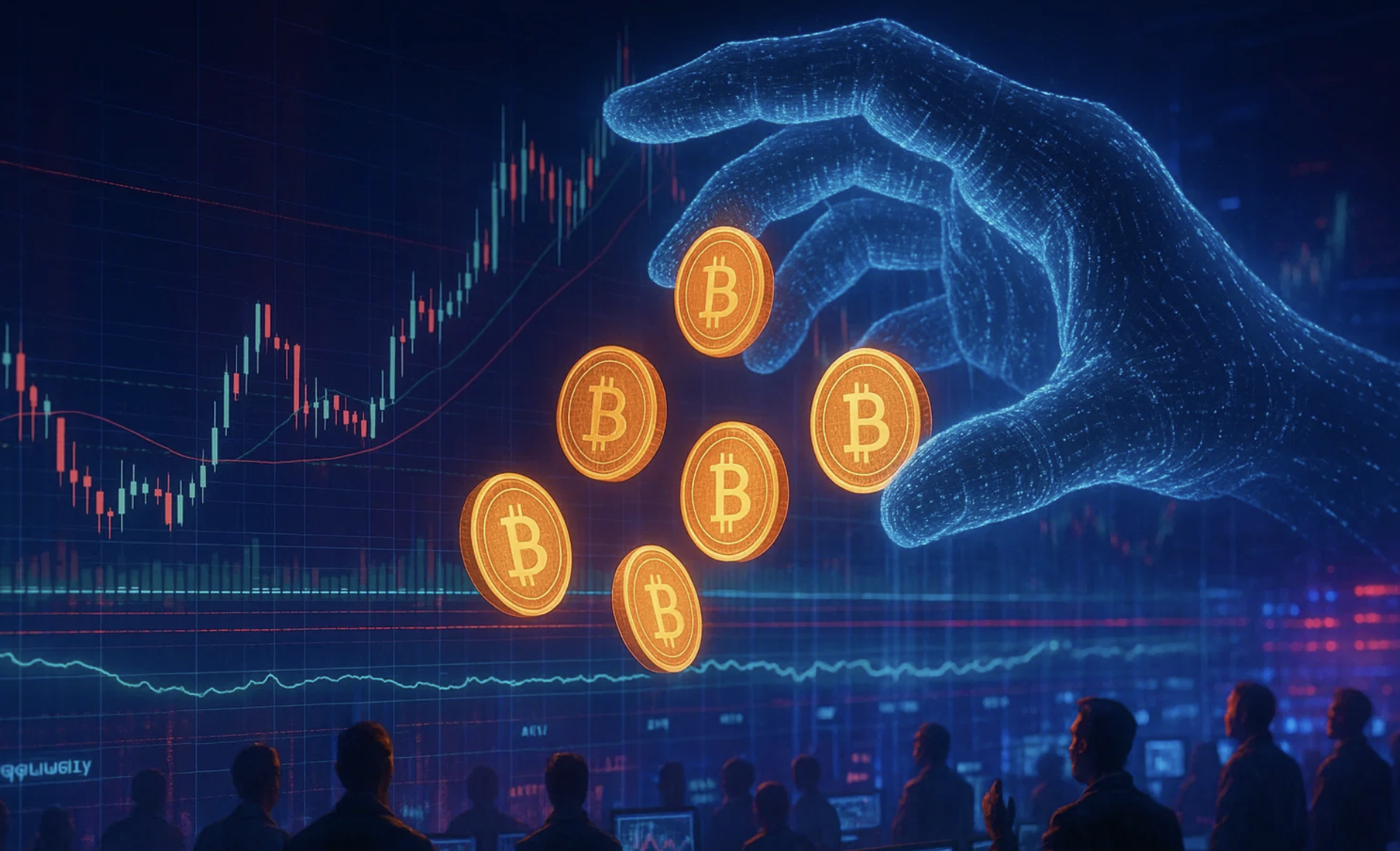
Any new token is subject to sharp price fluctuations at launch. Without supporting liquidity, even small demand or panic can trigger a significant drop - whether it’s BTC, SOL, or TON.
🏆 The launch of TON showed that a well‑organized market can actually keep things from going completely off the rails. Despite high trading activity, there were no catastrophic drops from day one. Volatility? Always there. But with the right tools and people - a.k.a. market makers - it can be managed.
Role of Market Makers
Market makers are the backbone of a liquid and stable market. 📈 They continuously provide buy and sell orders, creating a buffer between sudden spikes in demand or supply.
By doing so, they smooth out price swings, reduce slippage for traders, and make the market more predictable. Essentially, they act as intermediaries who ensure that your favorite tokens are always tradable at fair prices.
Preferred Exchanges for Market Makers
In the course of my work, I have been tracking which exchanges market makers choose for their activities. 🚀 It turns out that the choice often falls on two exchanges.
WhiteBIT
📍 One of them is WhiteBIT, with 35M+ users and a capitalization of $39B according to CoinCodex. Its Market Making Program offers favorable conditions for market makers, where fees depend on maker transaction volumes over the past 30 days - up to -0.012% maker fees.
While market makers profit from capturing the spread between buy and sell orders, regular users get a smoother trading experience and lower costs. Some of my clients initially had problems like order delays, which could cost market makers money - yikes! WhiteBIT’s program solved this thanks to extra API perks, like:
- •Webhook notifications - for deposits, trading and main balance updates
- •WebSocket - real‑time order book info so you never miss a beat
These tools allow market makers to operate efficiently, react quickly to market changes, and ensure price stability for users.
BitMEX
📍 Another notable option is BitMEX Market Maker Programme, which offers Regular and Senior MM Programs with six levels of market makers, whose earnings depend on monthly trading volumes.
For example, in the regular programme, a market maker who meets the trading requirements across a certain number of contract groups can be placed at Level 4. At this level, they receive rewards based on their maker volume, with a minimum reward floor, providing clear incentives to consistently supply liquidity. 🛠️
Conclusion
So, programs like these are what allow our favorite coins - whether Bitcoin, Solana, or any other token - to remain stable, minimizing large spreads between trading pairs or across different exchanges.
Get in Touch
💬 Want to understand how market making affects a token’s price? DM me to learn more.